Myra's sleepwalking
Myra's sleepwalking is a pivotal event in Morgan Robertson's novella, where the child's unconscious night wandering leads her to the drugged John Rowland on the bridge just before the Titan strikes an iceberg, saving her life and deepening the bond between them.
The Sleepwalking Episode
On the night of the Titan's collision with the iceberg, a little night-gowned figure arose from an under berth in a saloon stateroom and, with wide-open, staring eyes, groped its way to the deck, unobserved by the watchman. The white, bare little feet felt no cold as they pattered the planks of the deserted promenade, and the little figure had reached the steerage entrance by the time the captain and boatswain had reached the bridge. This was Myra, the daughter of Myra Selfridge and George Selfridge, who had been brought aboard the ship by her parents. Her sleepwalking was not a deliberate act but a subconscious response to the danger she sensed, as though warned by an inner subconsciousness of danger, it had come in its sleep, for safety and care, to her mother's old lover—the strong and the weak—the degraded and disgraced, but exalted—the persecuted, drugged, and all but helpless John Rowland.
The Encounter on the Bridge
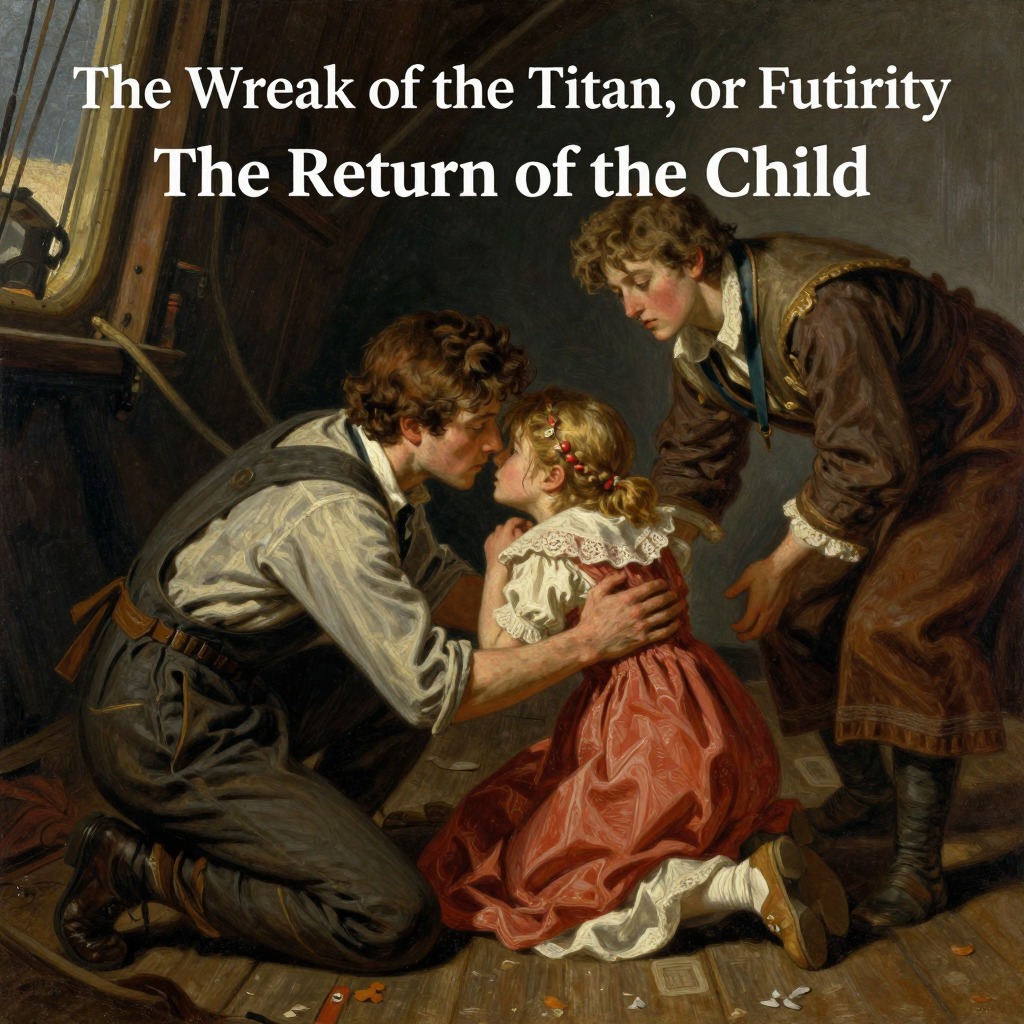
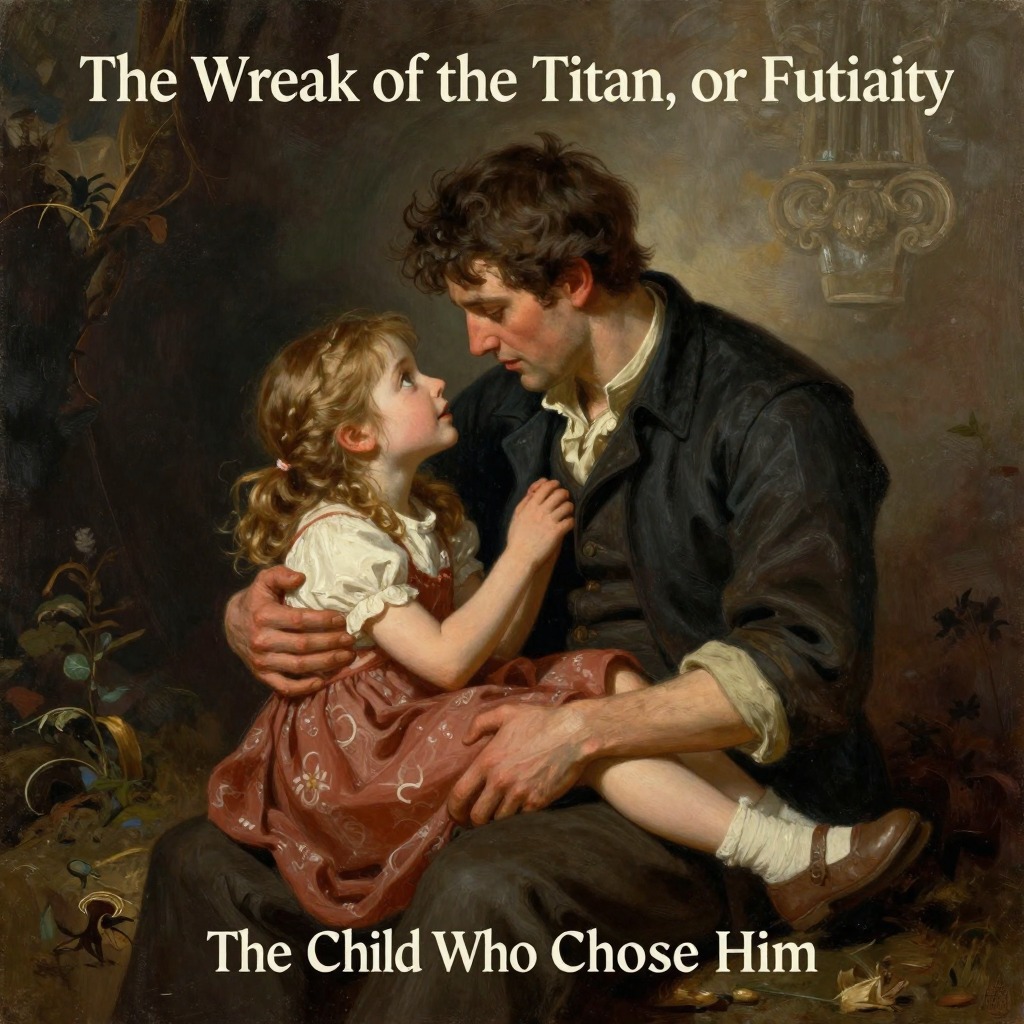
As Rowland, under the influence of the hasheesh that had been secretly administered to him, stood on the starboard bridge lookout, he was experiencing vivid hallucinations. He saw the deck fittings transform into monstrous shapes, and he laughed uncontrollably. The little white figure, attracted by his laughter, turned into the stairway leading to the upper deck and climbed the upper bridge steps. When the first officer, who had been watching Rowland, asked him what he had, Rowland, with the readiness of a man who dozes while standing, answered, "Myra's child, sir; it's asleep." He picked up the night-gowned little girl, who screamed as she wakened, and folded his pea-jacket around the cold little body. This act of protection, performed even in his drugged state, demonstrated his innate care for the child.
The Iceberg Collision
Moments after Rowland picked up Myra, a shout from the crow's-nest split the air: "Ice, yelled the lookout; ice ahead. Iceberg. Right under the bows." The first officer ran amid-ships, and the captain, who had remained there, sprang to the engine-room telegraph, and this time the lever was turned. But in five seconds the bow of the Titan began to lift, and ahead, and on either hand, could be seen, through the fog, a field of ice, which arose in an incline to a hundred feet high in her track. The music in the theater ceased, and among the babel of shouts and cries, and the deafening noise of steel, scraping and crashing over ice, Rowland heard the agonized voice of a woman crying from the bridge steps: "Myra, --- Myra, where are you? Come back." This was Myra's mother, who had just realized her child was missing. The sleepwalking had placed Myra in Rowland's arms, saving her from the chaos below decks where many would be trapped and drowned.
Aftermath and Significance
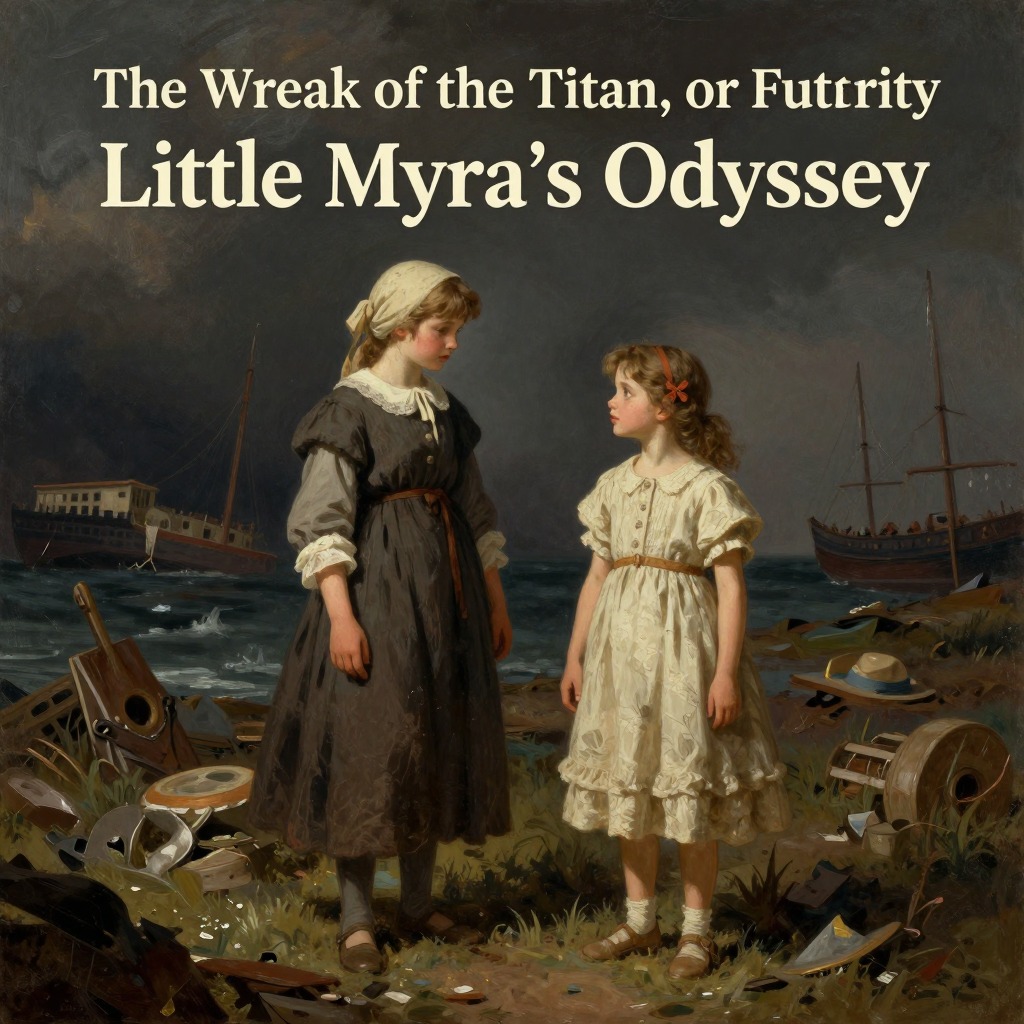
After the collision, Rowland, still holding Myra, was thrown onto the iceberg as the ship capsized. He crouched in the wreckage of the bridge, bleeding from a cut in his head, and still holding the little girl—now too frightened to cry. He examined the wreckage and found no boat intact. He hailed for help, calling out the mother's name, but there was no response. He then made a shelter for Myra, wrapping her in his coat, and they survived on the iceberg for several days until rescued by the bark Peerless. Myra's sleepwalking, though a symptom of her subconscious fear, became the means of her survival, as it brought her to the one person who would protect her at all costs. The event also deepened the bond between Rowland and Myra, leading to her calling him "Dammy," a nickname she coined, and ultimately reuniting her with her mother in New York, though not without a dramatic arrest and trial for Rowland. The sleepwalking thus serves as a crucial narrative device, highlighting the themes of subconscious instinct, protection, and the unexpected consequences of seemingly random actions.